
The global air fryer market continues to grow rapidly, expanding from North America and Europe into emerging markets like South America, Southeast Asia, and Eurasia. For appliance brands and wholesalers looking to capture this demand, partnering with a reliable Chinese factory is the most efficient path.
However, before starting production, you must answer one critical question: Should you choose OEM or ODM?
Understanding the difference between an OEM air fryer manufacturer and an ODM partner will directly impact your R&D costs, time to market, and long-term business strategy. Here is a comprehensive guide to help you make the right choice.
1. The Core Difference: OEM vs ODM
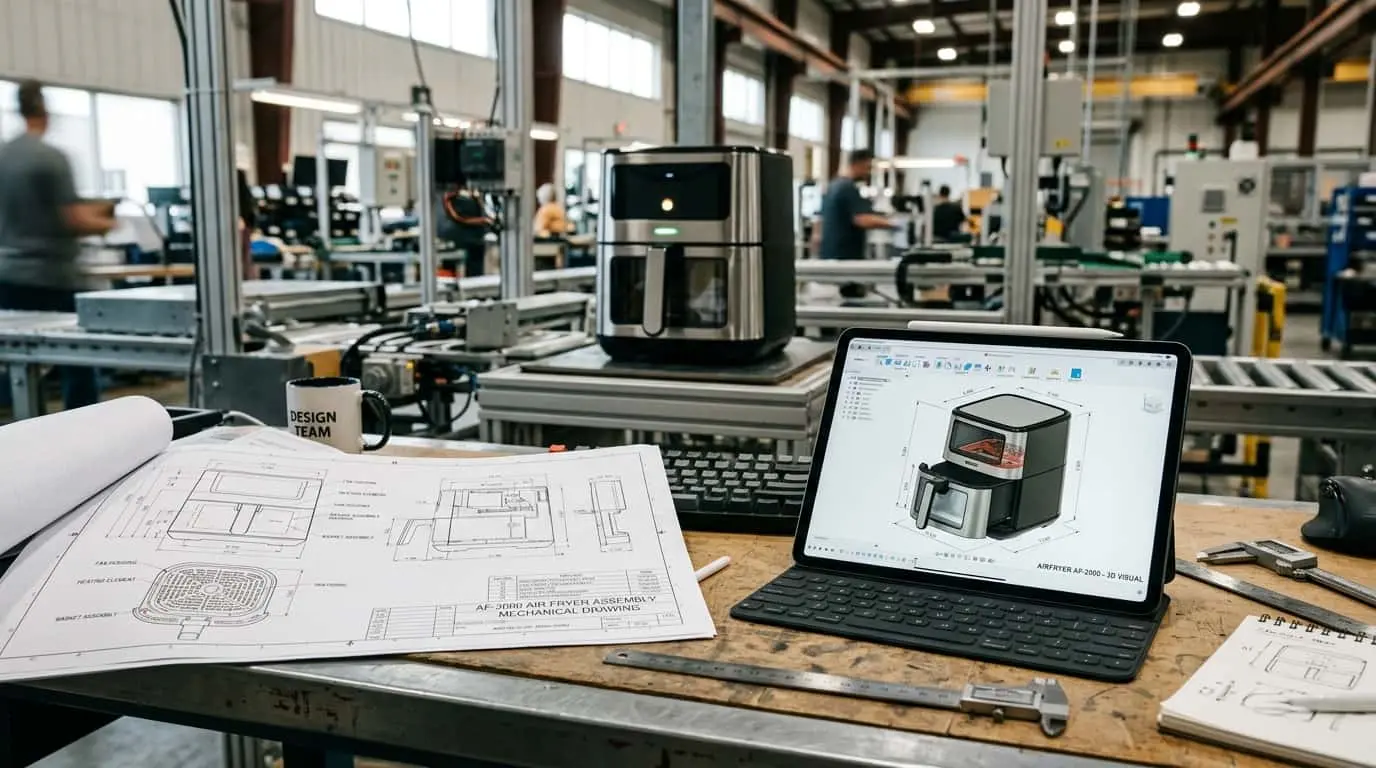
OEM (Original Equipment Manufacturer): You provide the exact product design, blueprints, and specifications. The factory simply acts as your builder. You own the intellectual property (IP), patents, and molds. This requires a highly capable custom air fryer manufacturer that can turn your unique R&D concepts into reality.
ODM (Original Design Manufacturer): The factory already has existing, fully developed air fryer models. You select a model, customize the branding (logo, colors, packaging, and UI), and sell it under your name. This is often referred to as a private label air fryer strategy.
2. Which is Suitable for New Brands vs. Mature Brands?
Your choice heavily depends on your current market position and budget.
For New Brands and Startups: ODM is Best If you are launching a new home appliance brand, testing an emerging market, or selling on platforms like Amazon or Shopee, ODM is the smartest choice.
Why? A private label air fryer allows you to skip the expensive and time-consuming R&D phase. You can leverage the factory’s mature technology (such as standard 360° hot air circulation or basic mechanical controls) to enter the market quickly and focus 100% of your energy on marketing and sales.
For Mature Brands: OEM is Best If you are an established appliance brand with a loyal customer base and a strong R&D team, OEM is the way to go.
Why? Mature brands need a competitive moat. By working with an OEM air fryer manufacturer, you can develop exclusive features (like specialized dual-zone temperature control, unique ceramic coatings, or patented fan designs) that your competitors cannot easily copy.
3. MOQ (Minimum Order Quantity) Differences
The manufacturing model you choose will significantly affect your upfront inventory commitment:
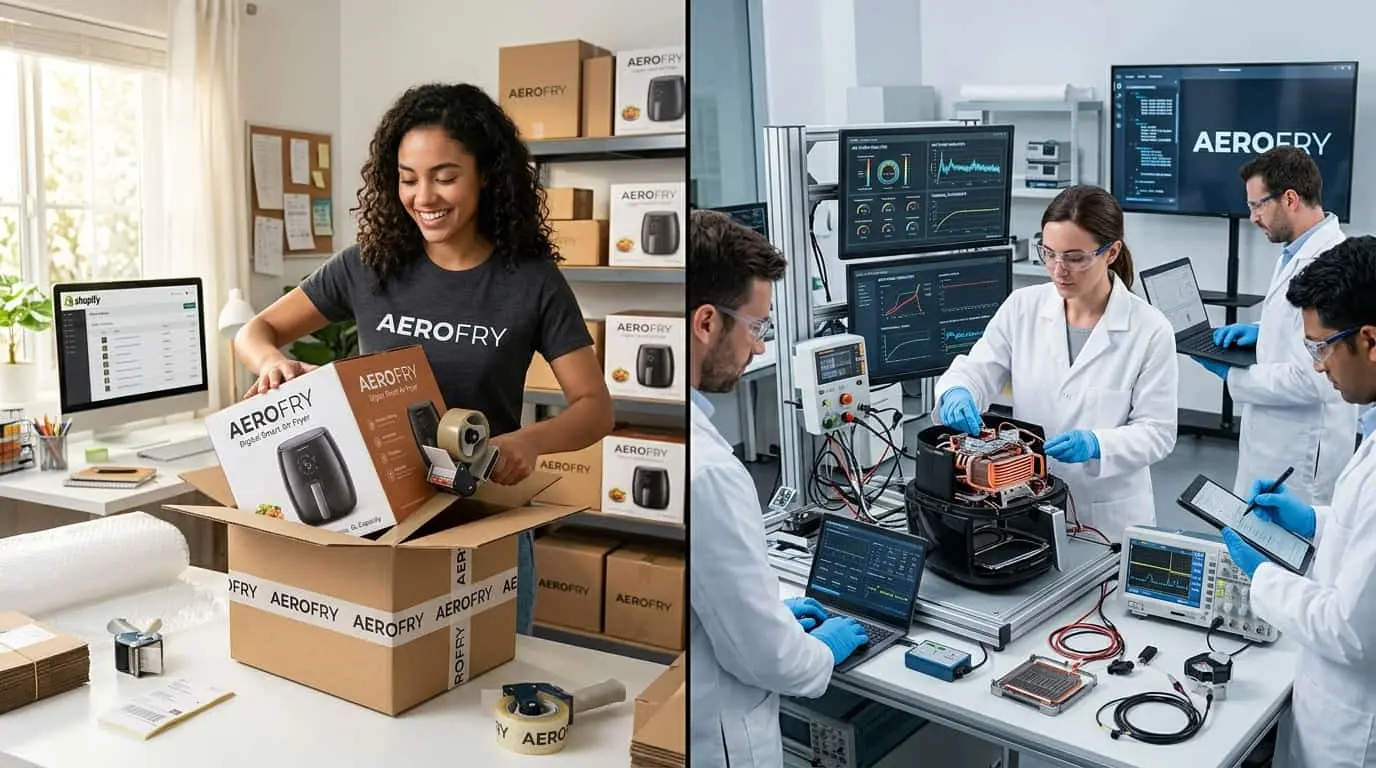
ODM (Private Label): Because the factory already has the molds and produces standard parts in bulk, the MOQ is usually lower. You can typically start with 1,000 to 2,000 units. This is highly friendly for cash flow.
OEM (Custom Manufacturing): Since the factory must set up dedicated production lines, source custom materials, and test entirely new configurations, the MOQ is significantly higher. Expect OEM orders to start at 5,000 to 10,000+ units to justify the production costs.
4. Customization Lead Time
Time-to-market is crucial, especially when targeting peak shopping seasons.
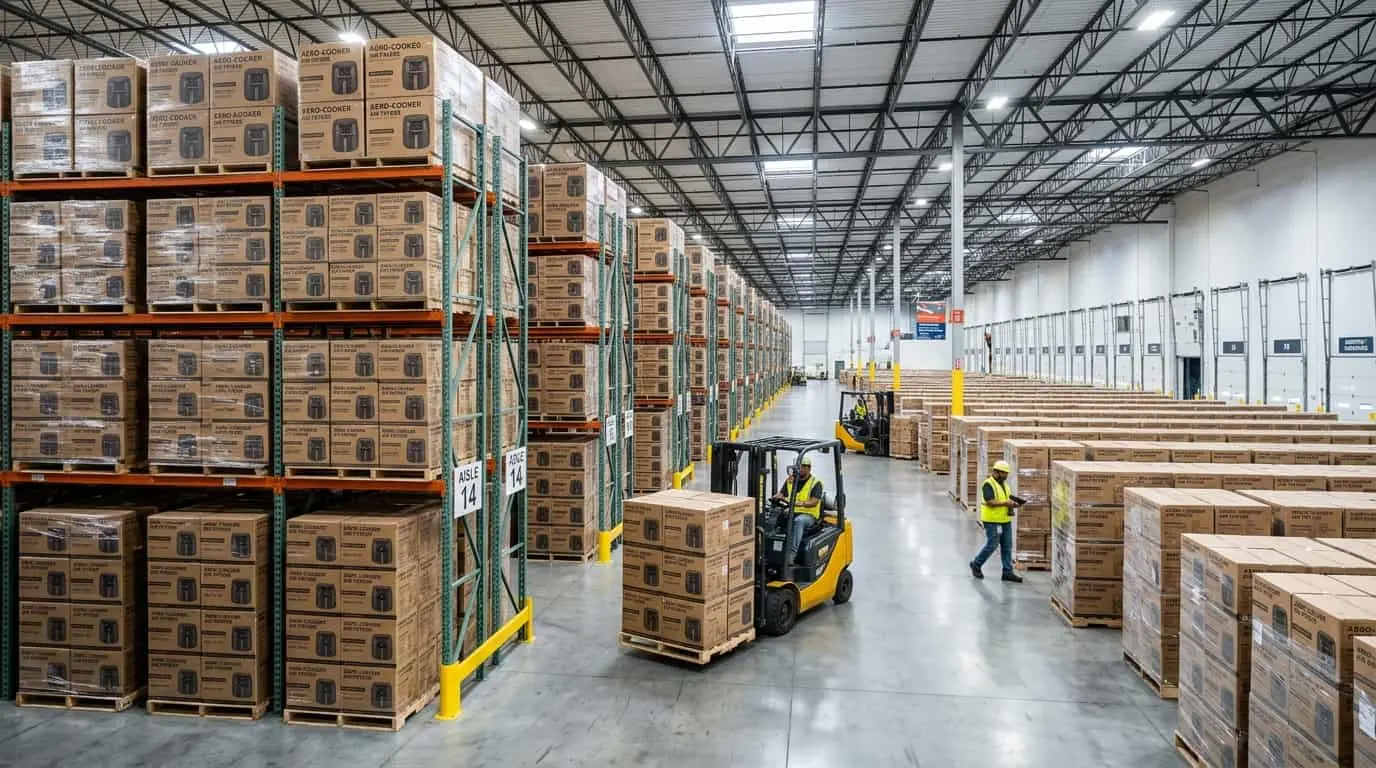
ODM Lead Time (Extremely Fast): Because the core product is already tested and certified, modifying the visual identity (logo silkscreen, customized box, local language manual) is quick. The first batch can usually be shipped within 4 to 8 weeks.
OEM Lead Time (Slower): Building a product from scratch requires 3D modeling, mold creation, prototype testing, and applying for new safety certifications (CE, ETL, RoHS, etc.). This cycle typically takes 3 to 6 months or more before mass production begins.
5. Risks and Costs Breakdown
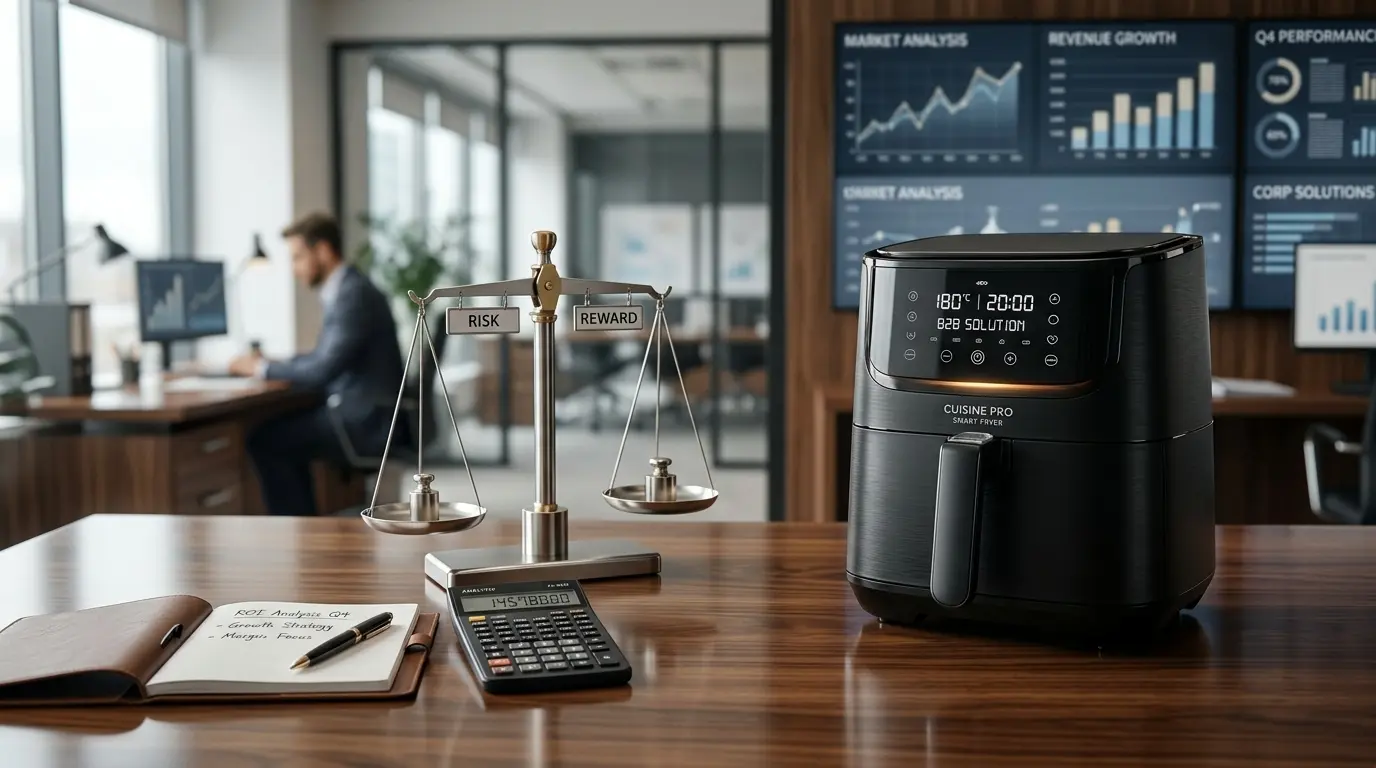
ODM Cost & Risk: Low R&D risk and zero mold fees. Your primary costs are the unit price, shipping, and marketing. Since the factory produces this base model for multiple clients, you benefit from economies of scale.
OEM Cost & Risk: High upfront investment. You must pay for custom molds (which can cost tens of thousands of dollars) and extensive testing. However, the long-term reward is higher profit margins and complete control over your product’s pricing power.
Conclusion: Finding the Right Manufacturing Partner
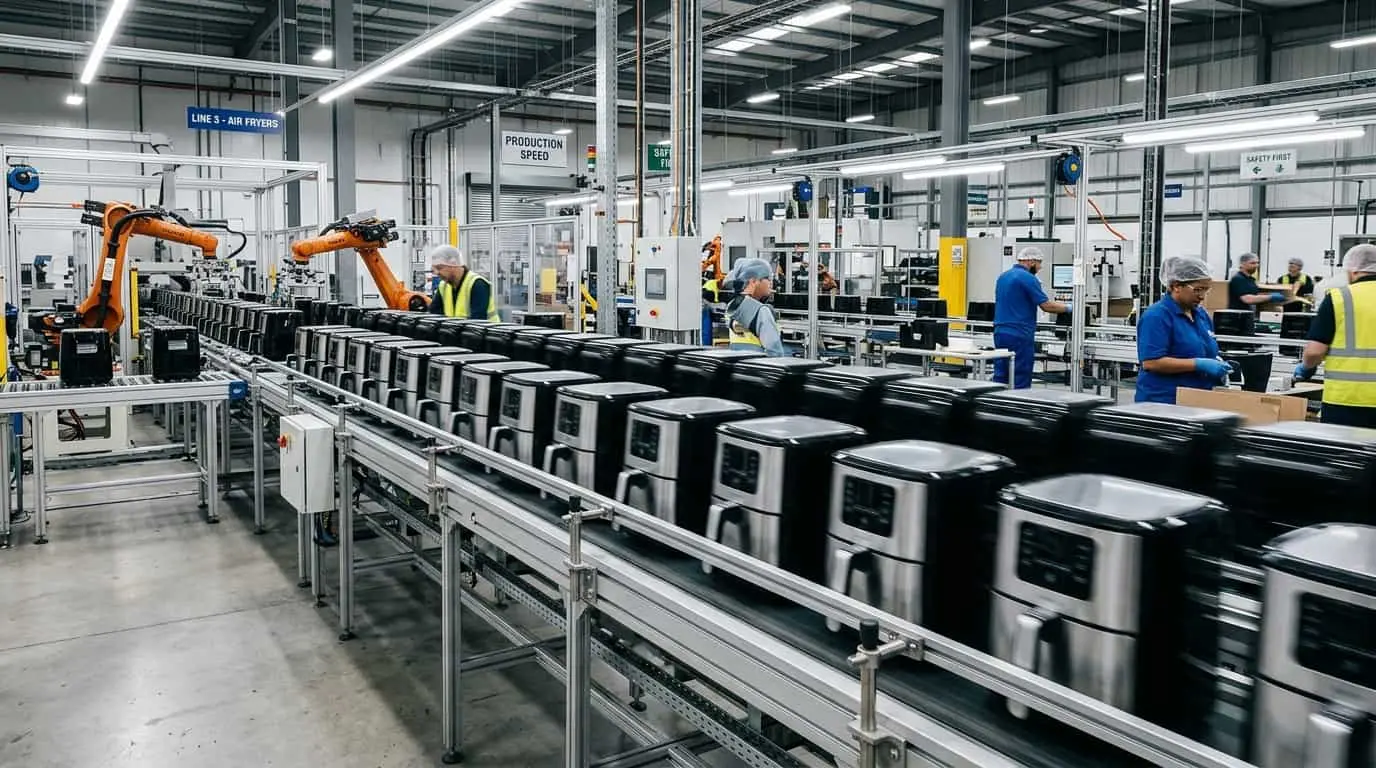
Whether you need a quick-to-market private label air fryer or a fully custom air fryer manufacturer to bring your proprietary designs to life, choosing a factory with strong production capacity and strict quality control is the key to success.
At
 Myanmar
  English
  Arabic
  Hindi
Hindi  Indonesian
  Vietnamese
  Russian
  Spanish
  French
  Japanese
  Korean